
If you’re researching your Japanese ancestry or building your family tree, you’ve likely come across the koseki (family register).
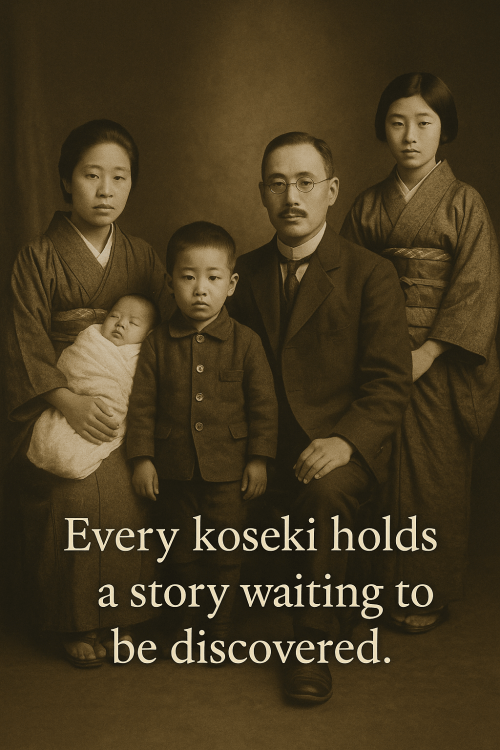
These historic records, including the koseki tohon and joseki, are invaluable for uncovering family ancestry and preserving your genealogy. But can non-Japanese citizens access them?
Who Can Request a Koseki?
Access to a koseki is restricted under Japanese law. Generally, only Japanese citizens, their legal representatives, or direct family members listed in the family register can request copies. This means non-Japanese citizens cannot apply directly. However, if you have a parent, grandparent, or ancestor listed, you may be able to obtain access through a relative in Japan or with legal authorization.
Why Translation Matters in Genealogy Research
Even if you gain access, koseki documents are written in Japanese, often with historic kanji. Professional koseki translation into English is essential for accuracy, especially when tracing historic koseki records. A skilled translator ensures that names, dates, marriages, and adoptions are correctly interpreted: all critical details for building your family ancestry.
Uncovering your family’s story through koseki is more than research—it’s connecting with your heritage. Ready to begin your search? Get started with Koseki Translation
 INTEGRATED LINGUISTIC SOLUTIONS &DISCUSS