
When tracing Japanese ancestry, koseki (戸籍) and joseki (除籍) are invaluable resources.
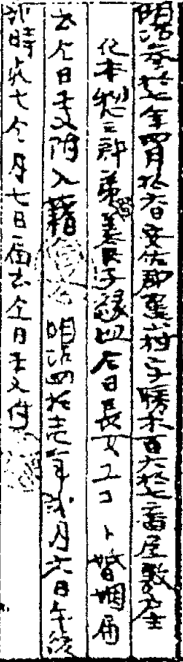
These official family registers contain detailed records of births, marriages, adoptions, and deaths—often spanning multiple generations. However, uncovering their secrets comes with major challenges:
- They are handwritten in classical Japanese, using archaic (Kyūjitai) kanji and complex legal terminology that even modern Japanese readers may struggle with.
- Many historic koseki are faded, damaged, or incomplete—requiring vast experience and specialized knowledge to accurately decipher.
Why Koseki Translation Is More Than Just Words
A historic koseki translation isn’t simply about converting kanji into English. It requires deep understanding of legal phrasing, historical context, and how record-keeping practices evolved across eras.
Even a single misinterpreted character can lead to false assumptions about your family lineage, ancestral hometown, or relationships—risking the accuracy of your entire genealogy project.
Curious about real-life results? See How Historic Koseki Registers Help Reconnect Families Across Generations
The Value of Professional Koseki Expertise
That’s why choosing an experienced, professional translator is essential.
An expert in koseki and joseki translation understands both the linguistic complexities and the cultural-historical nuances, ensuring nothing is lost in translation. With precision and care, fragile documents are transformed into clear, reliable narratives that preserve the integrity of your family ancestry.
Read From Mystery to Discovery: How We Helped One Family Trace Their Samurai-Era Roots
Ensure accuracy with expert Koseki Translation to English
 INTEGRATED LINGUISTIC SOLUTIONS &DISCUSS